The perfect destination
FOR SAFARI LOVERS
About Black Rhino Game Reserve
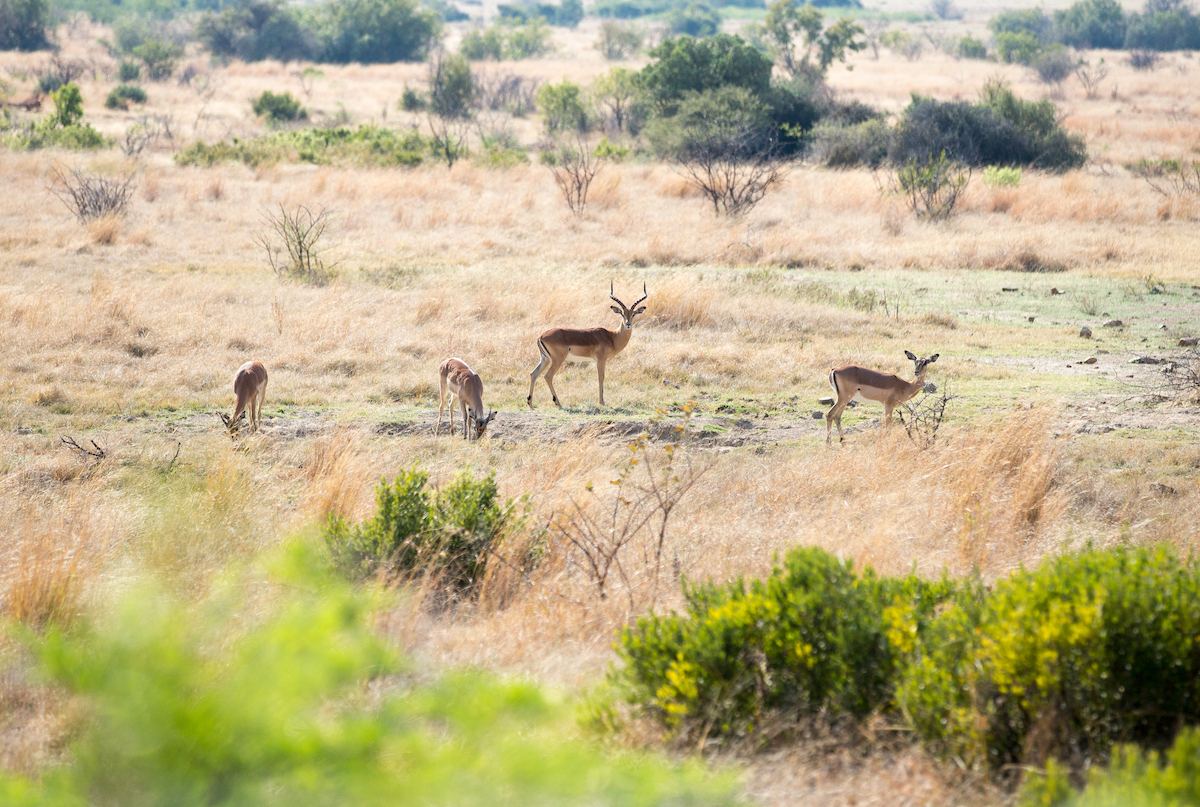
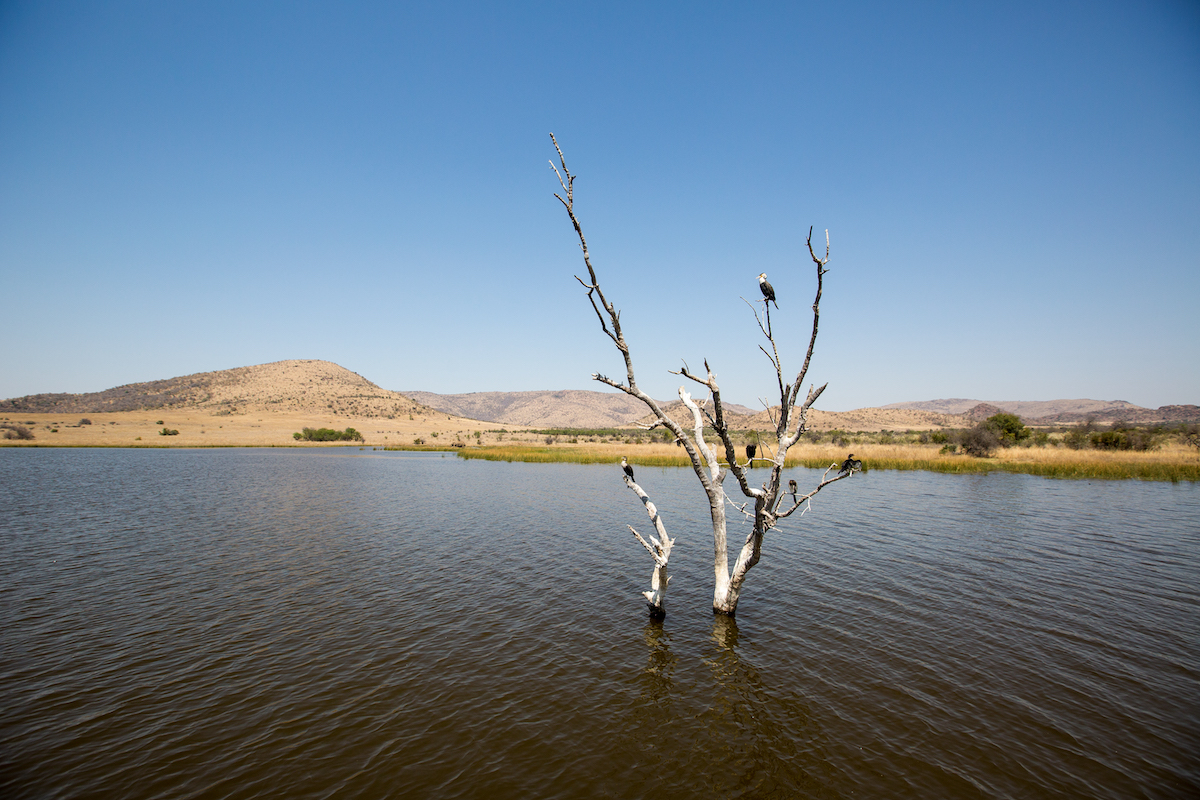
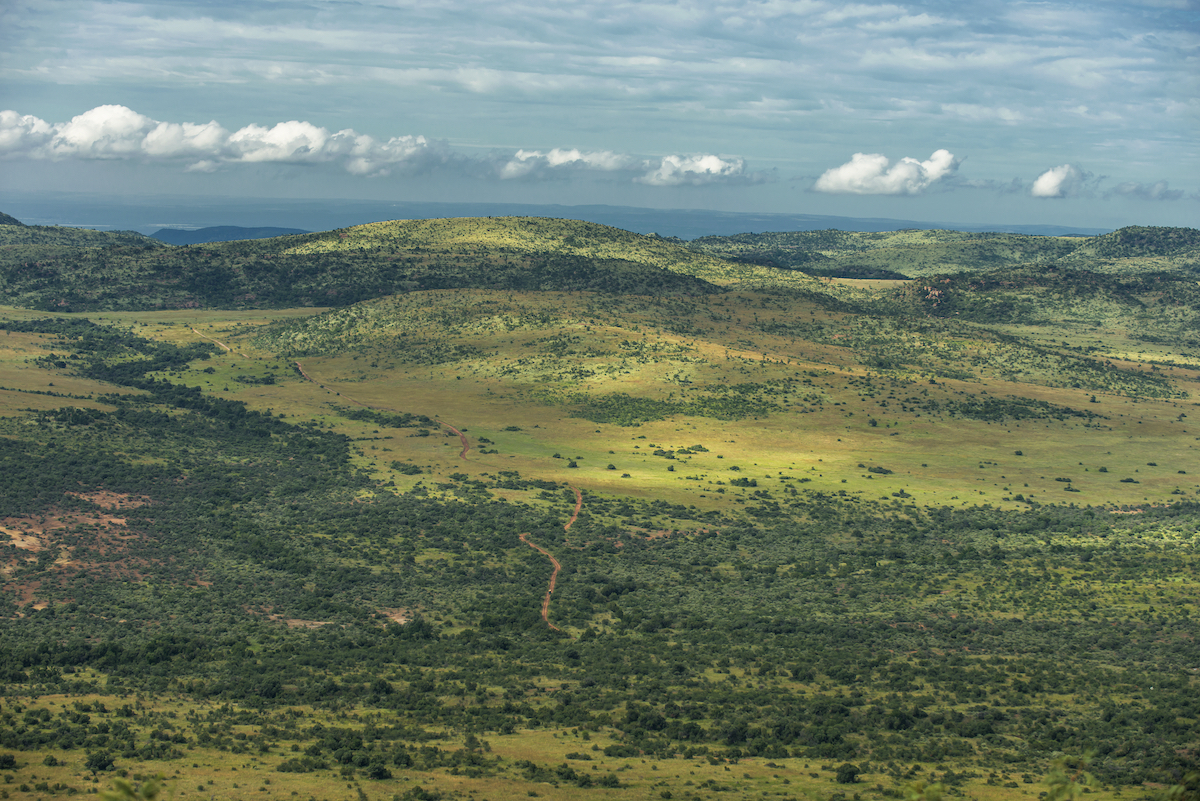
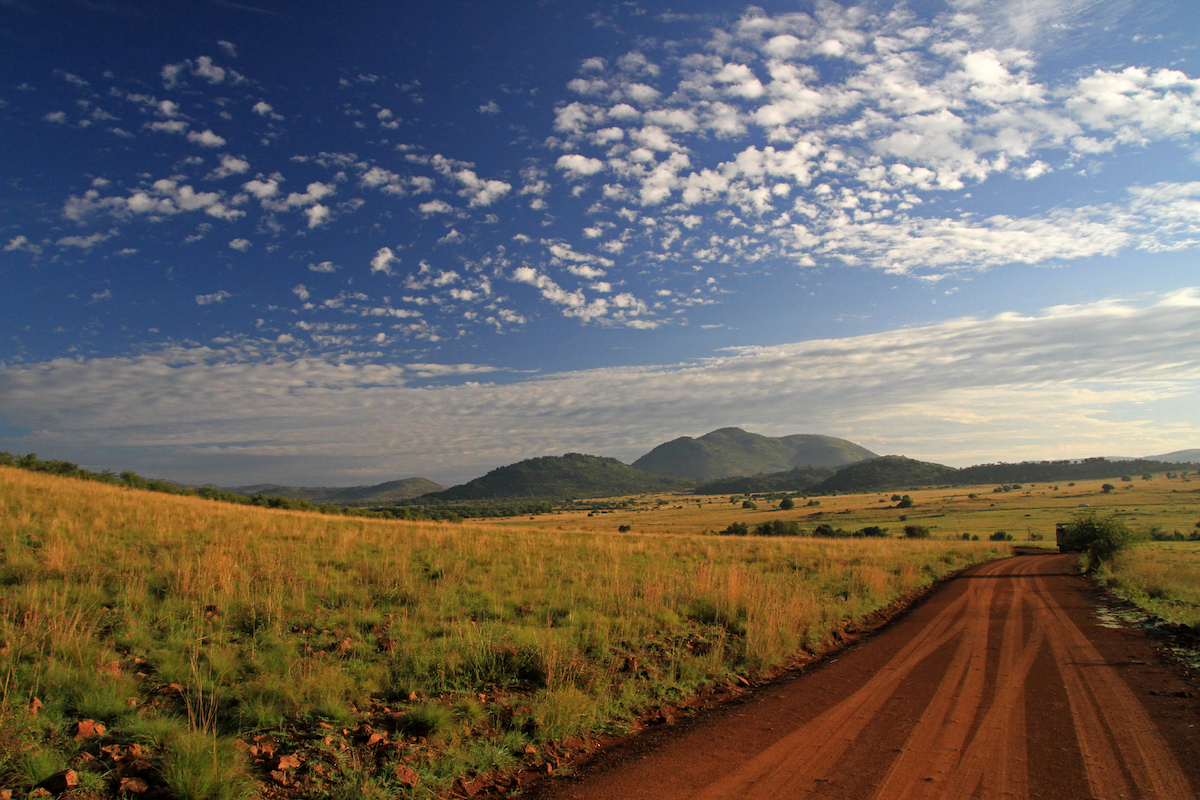
A Big 5 haven adjoining Pilanesberg National Park, Black Rhino Game Reserve provides safari lovers, birders and wildlife photographers with superb game viewing. Lying on the north-western side of the park with its own entrance, Black Rhino falls into the broad transition zone between classic Lowveld and the semi-arid Kalahari Desert. This means a wide array of habitats, fauna and flora within 2 000 hectares (about 5 000 acres).
There are no fences around Black Rhino, meaning all animals can move freely as they please between the reserve and the national park. Guests staying in Pilanesberg cannot enter Black Rhino. Those staying in Black Rhino can enter Pilanesberg with full traversing rights. All game drives are conducted in lodge vehicles by qualified guides.
There is no malaria is found in Black Rhino Game Reserve. This does not mean that there are no mosquitoes over the Green Season so be sure to cover up in the evenings and use organic insect repellent.
The Big 5
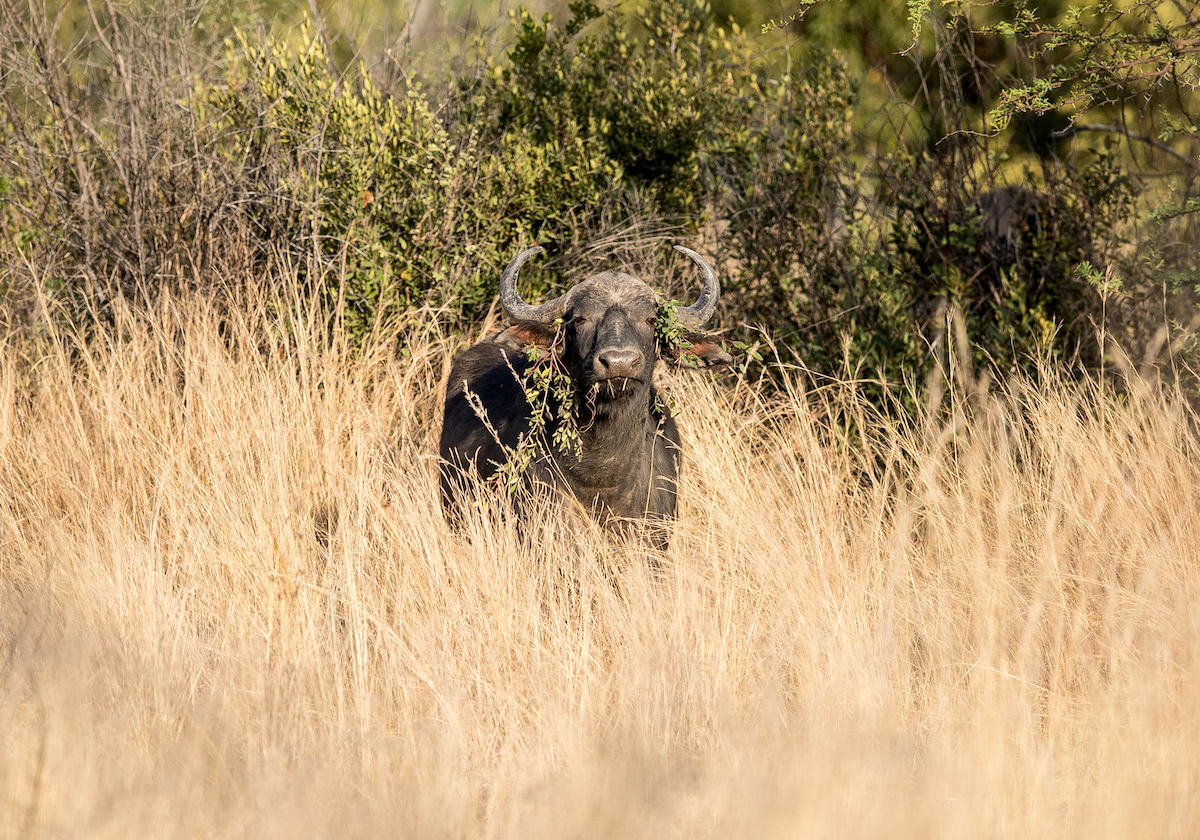
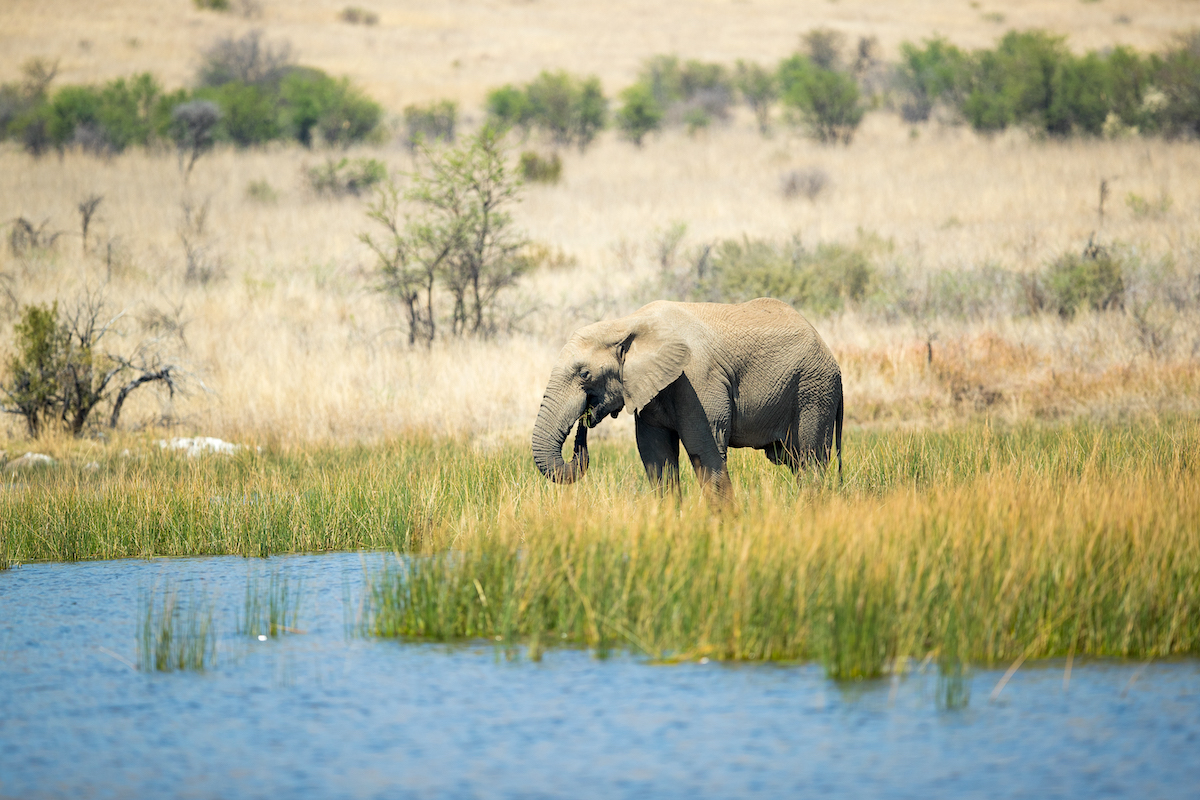
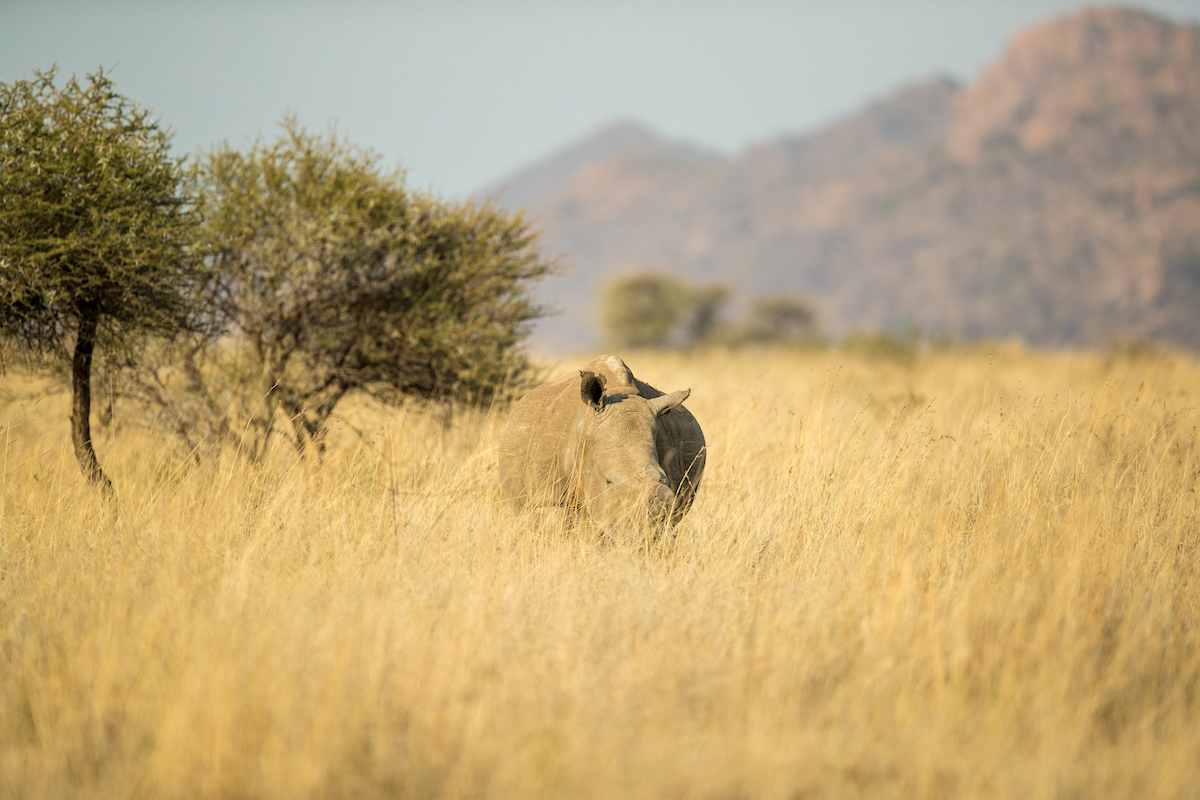
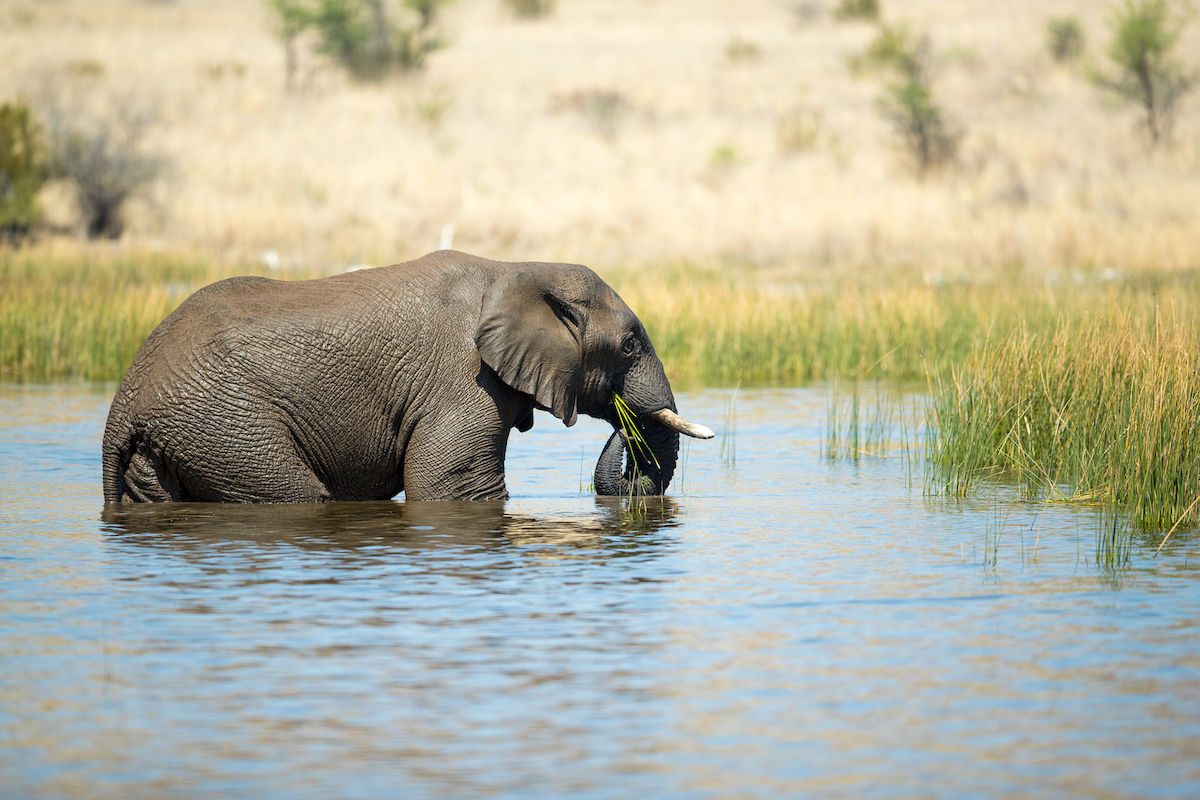
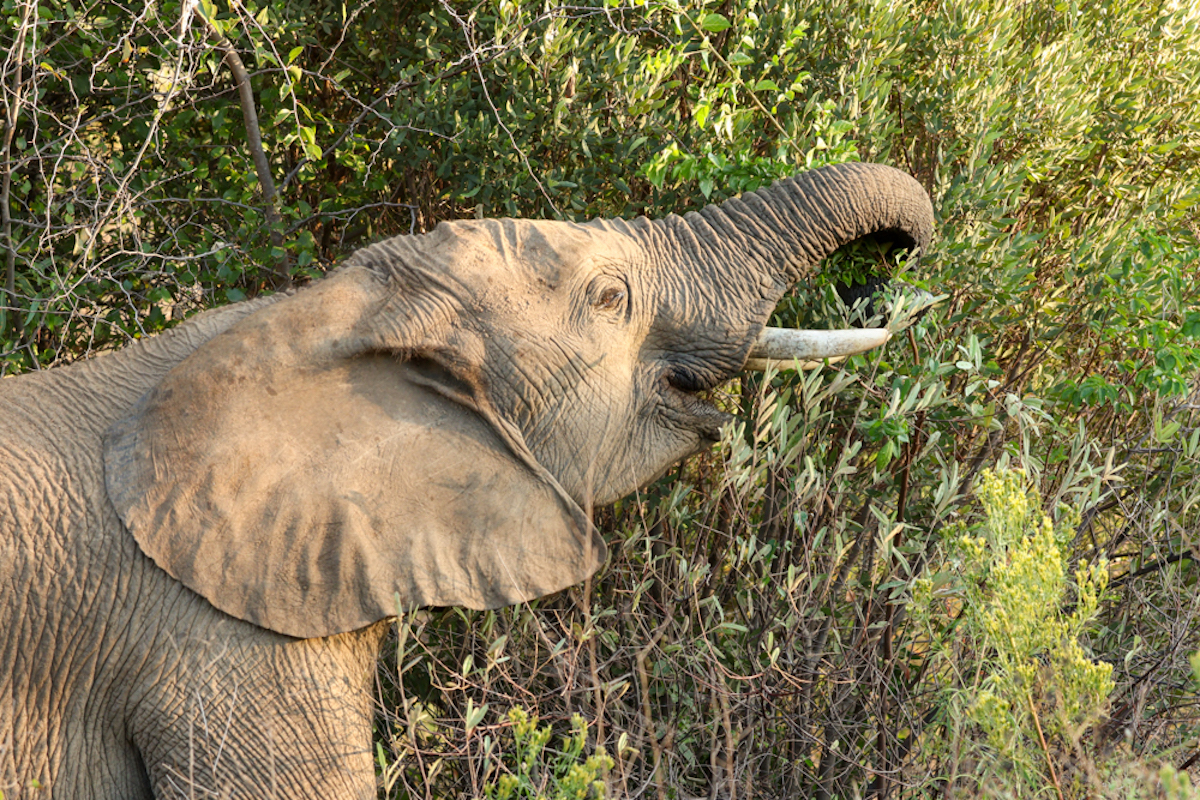
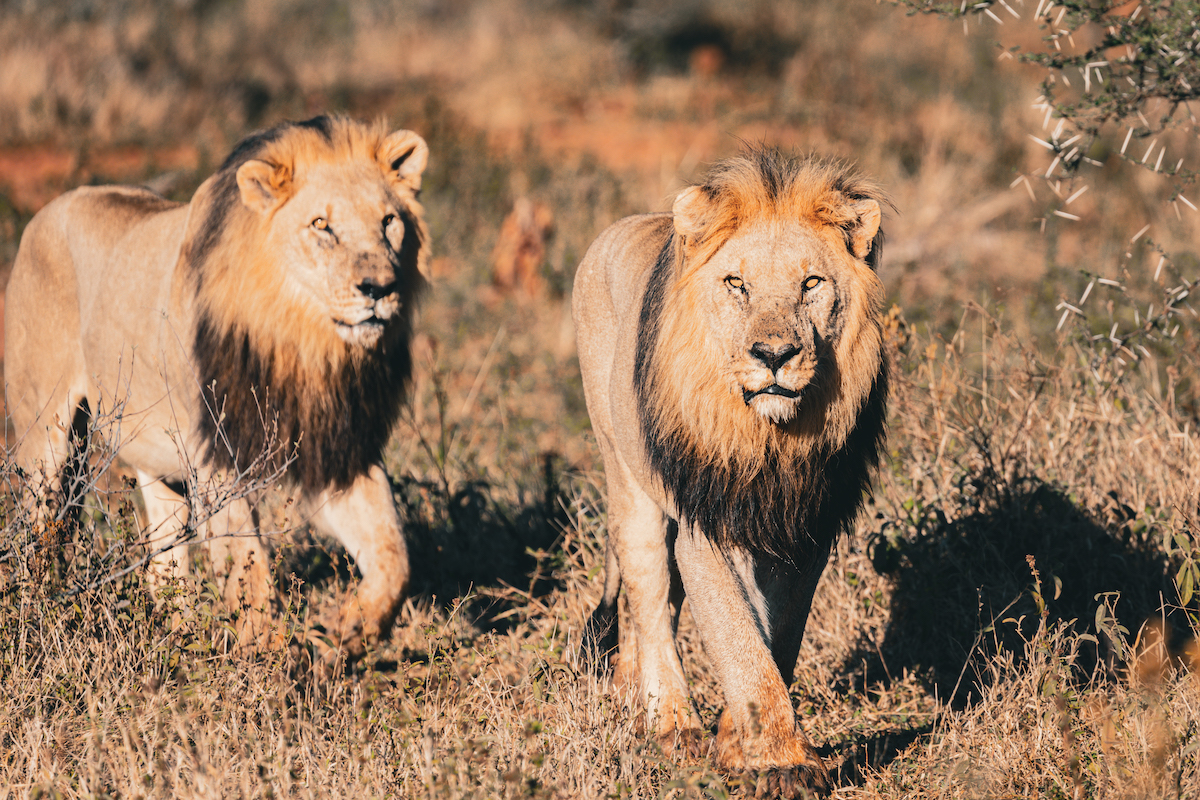
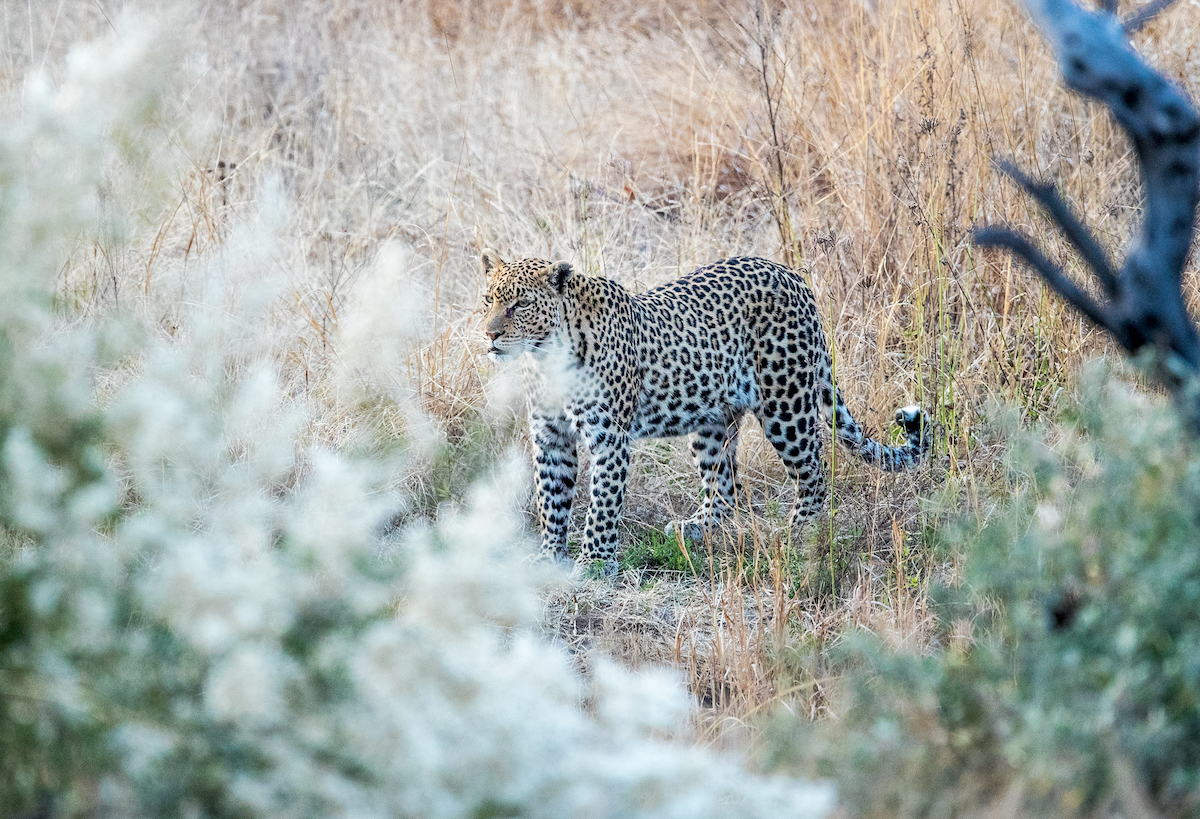
All the Big 5 – elephant, lion, leopard, buffalo and black and white rhino – are present in Black Rhino. Although they are sighted regularly, there are no guarantees on safari. Your guide will ensure you have the best possible chance of seeing all of the Big 5.
Please note that night drives and off-roading are not permitted in Black Rhino. Predator sightings are managed to ensure animals are relaxed and unstressed at all times.
Notable Species
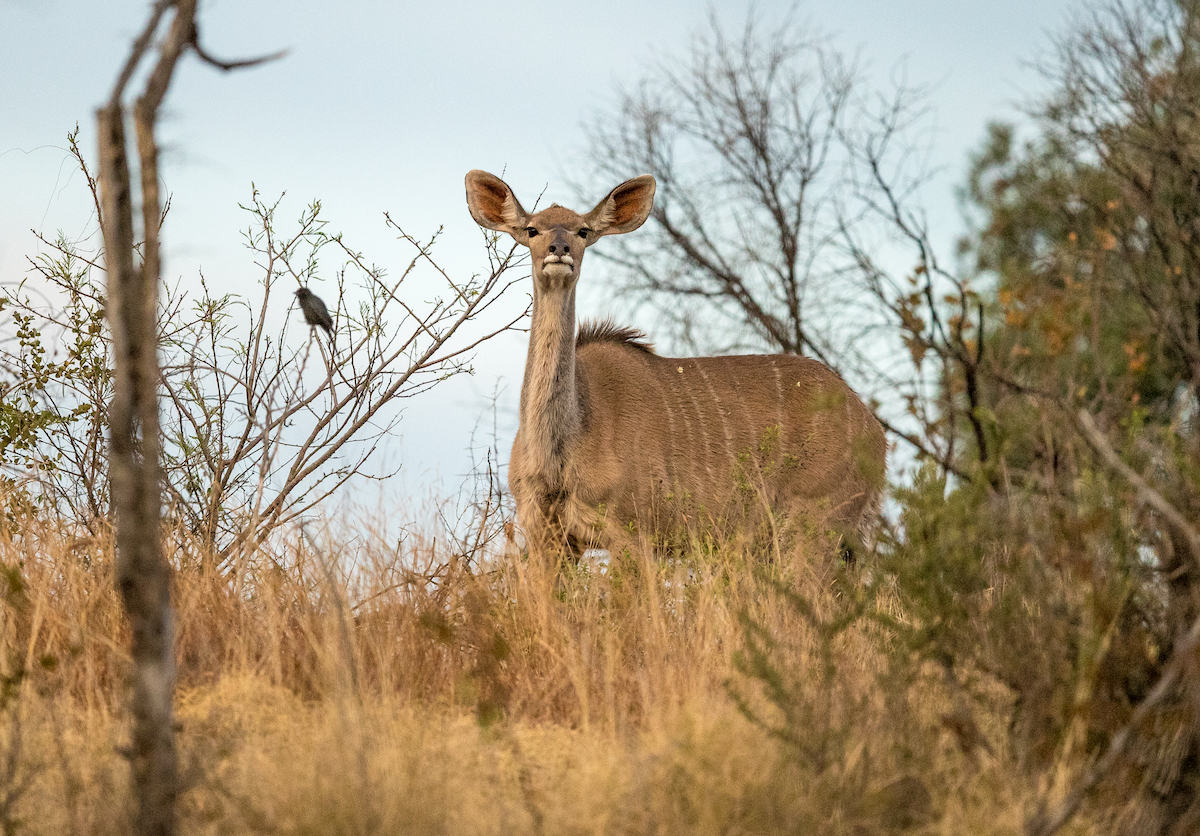
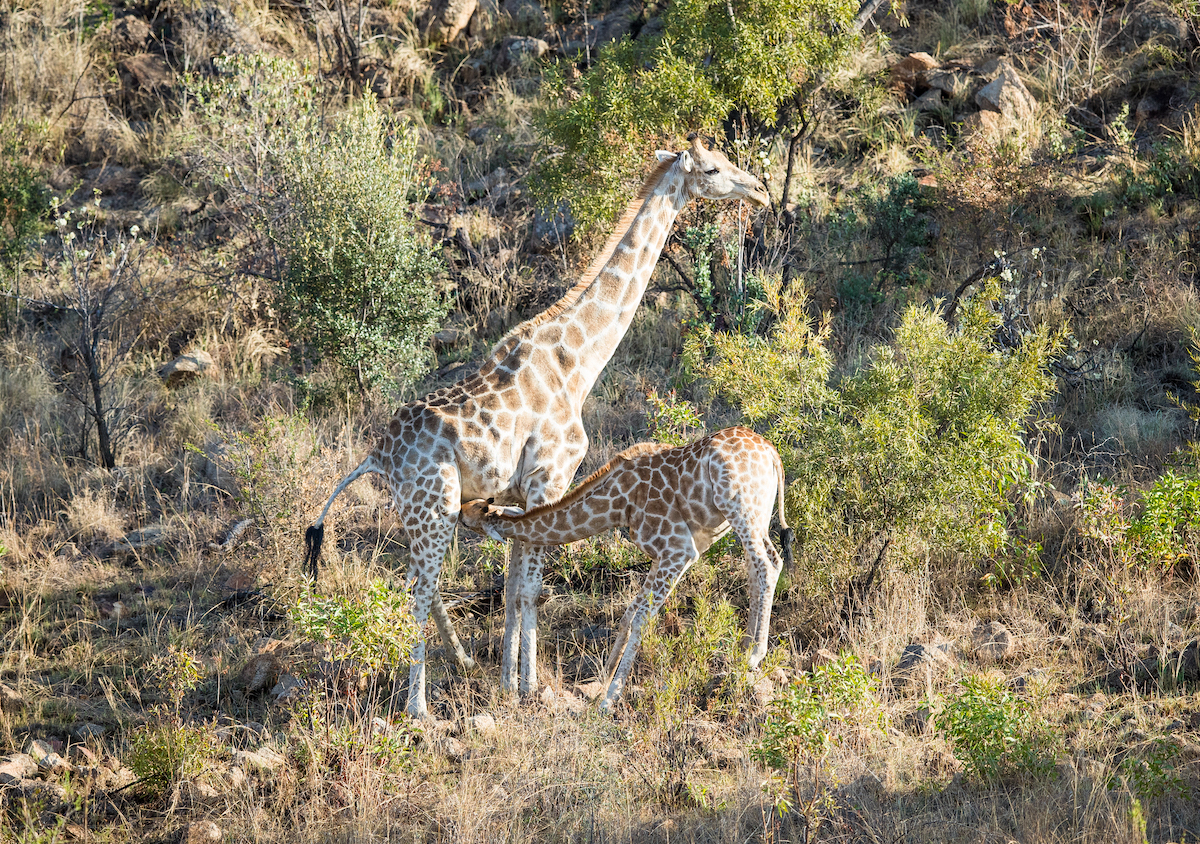
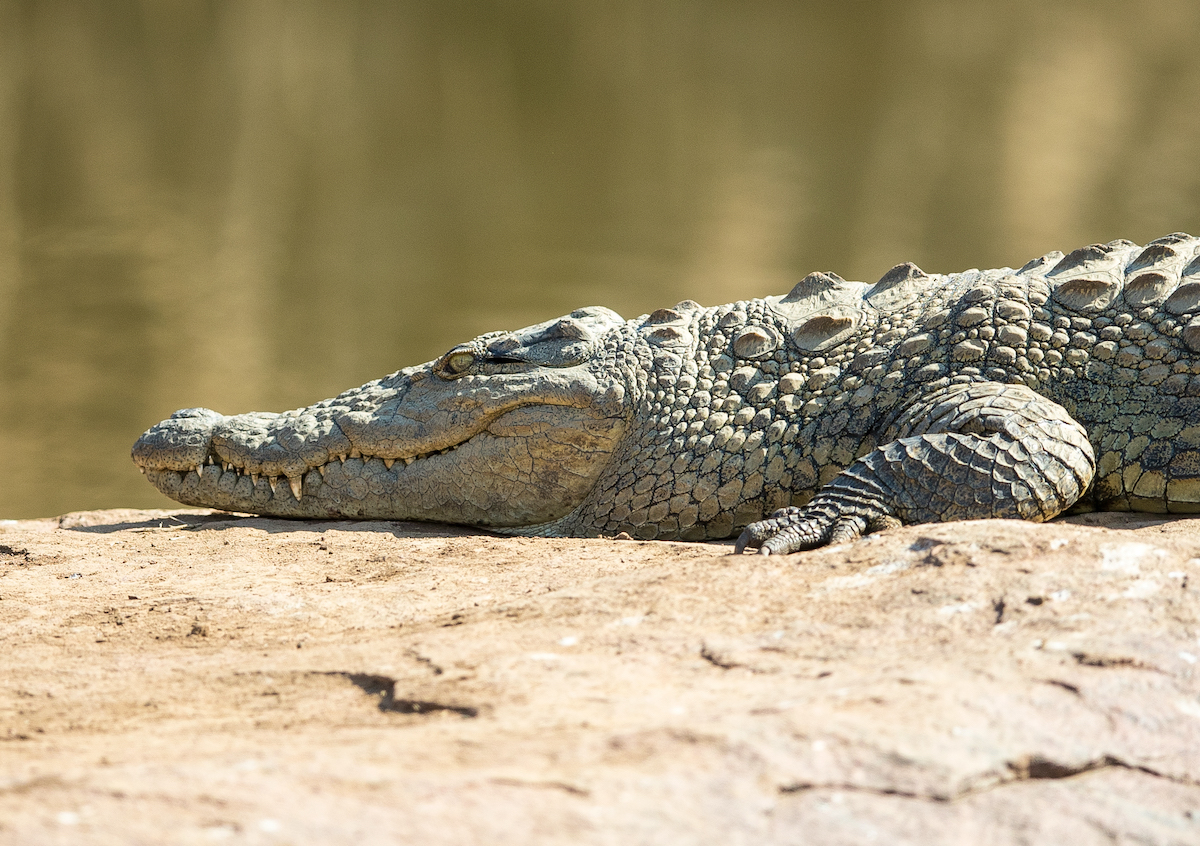
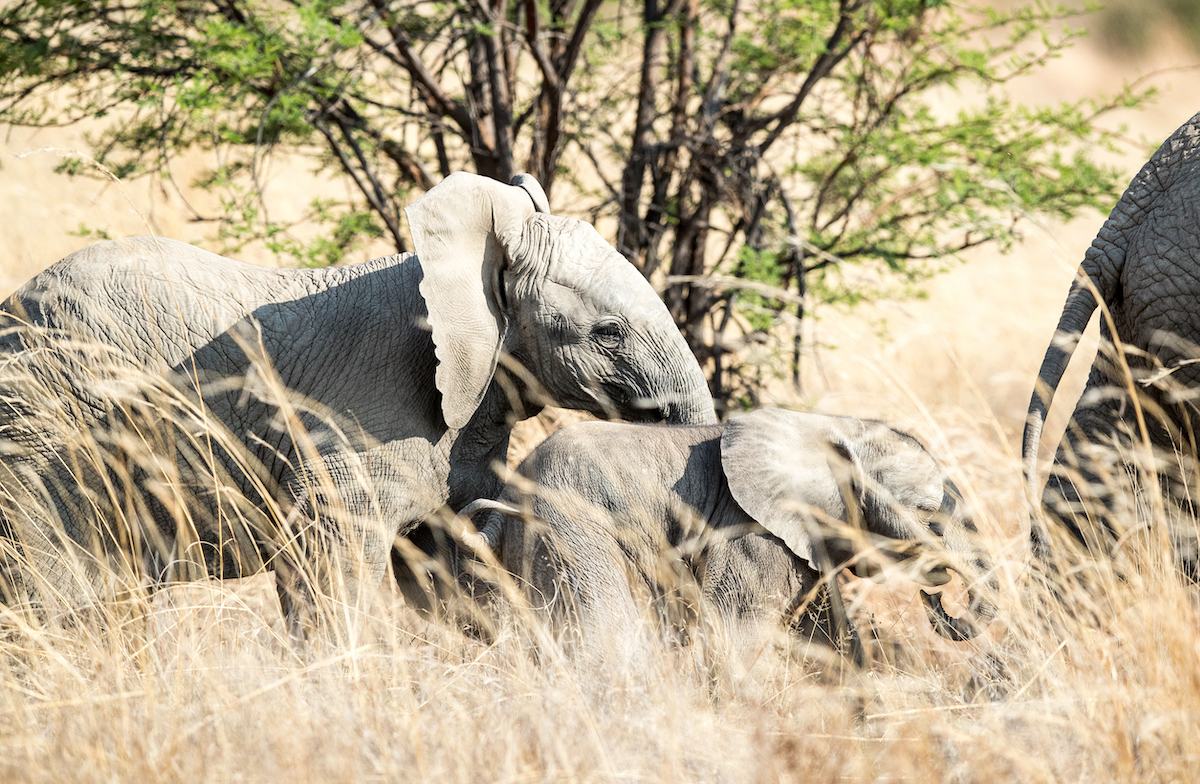
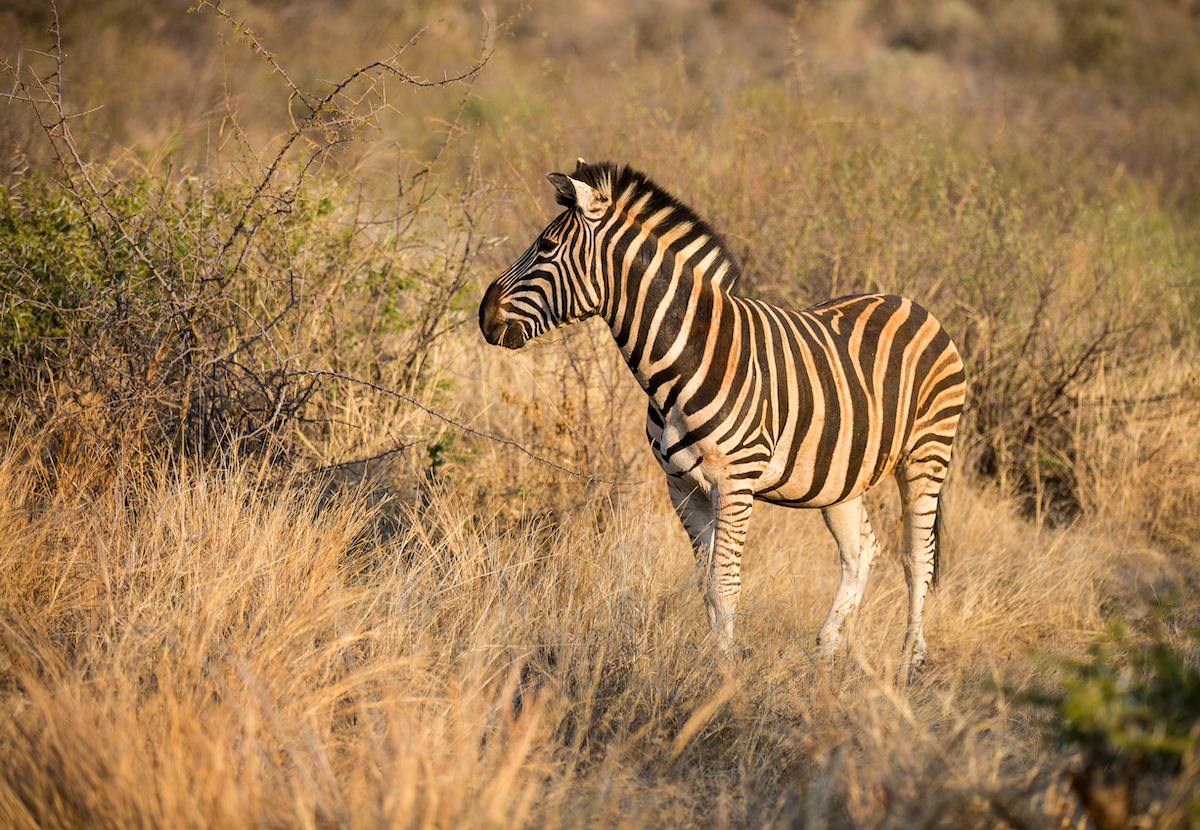
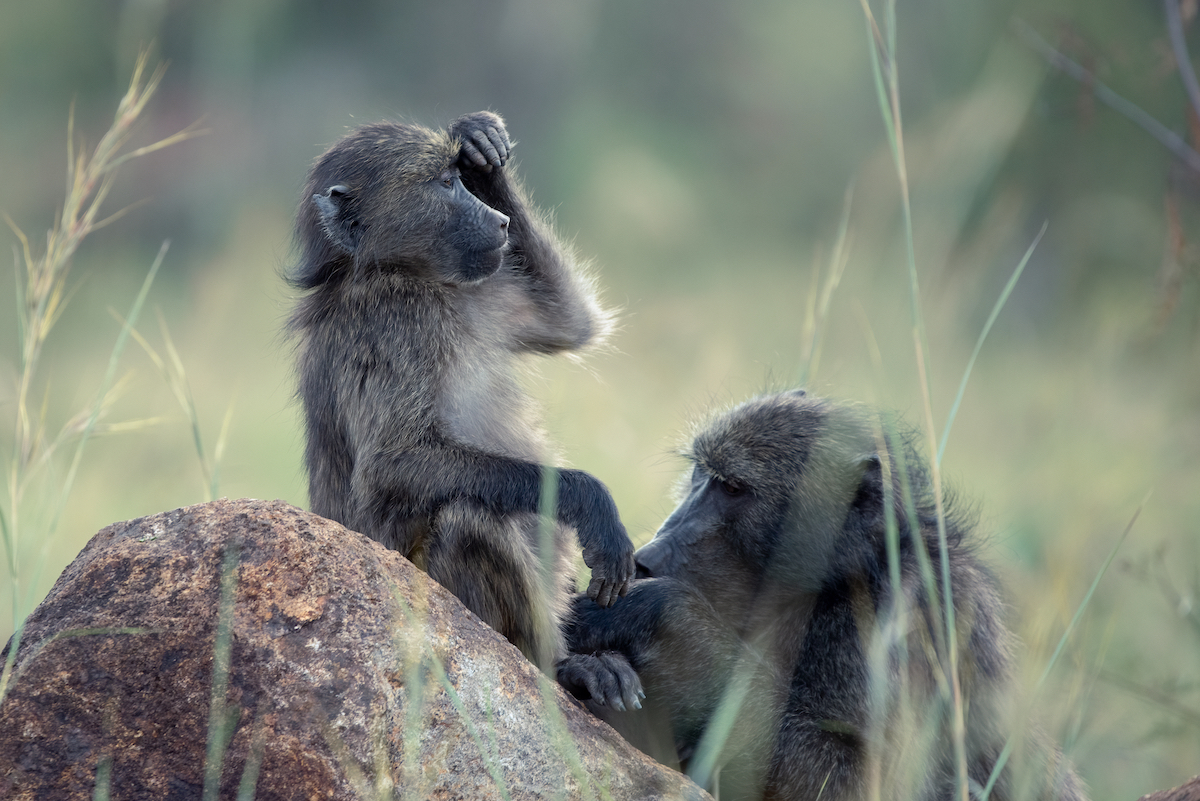
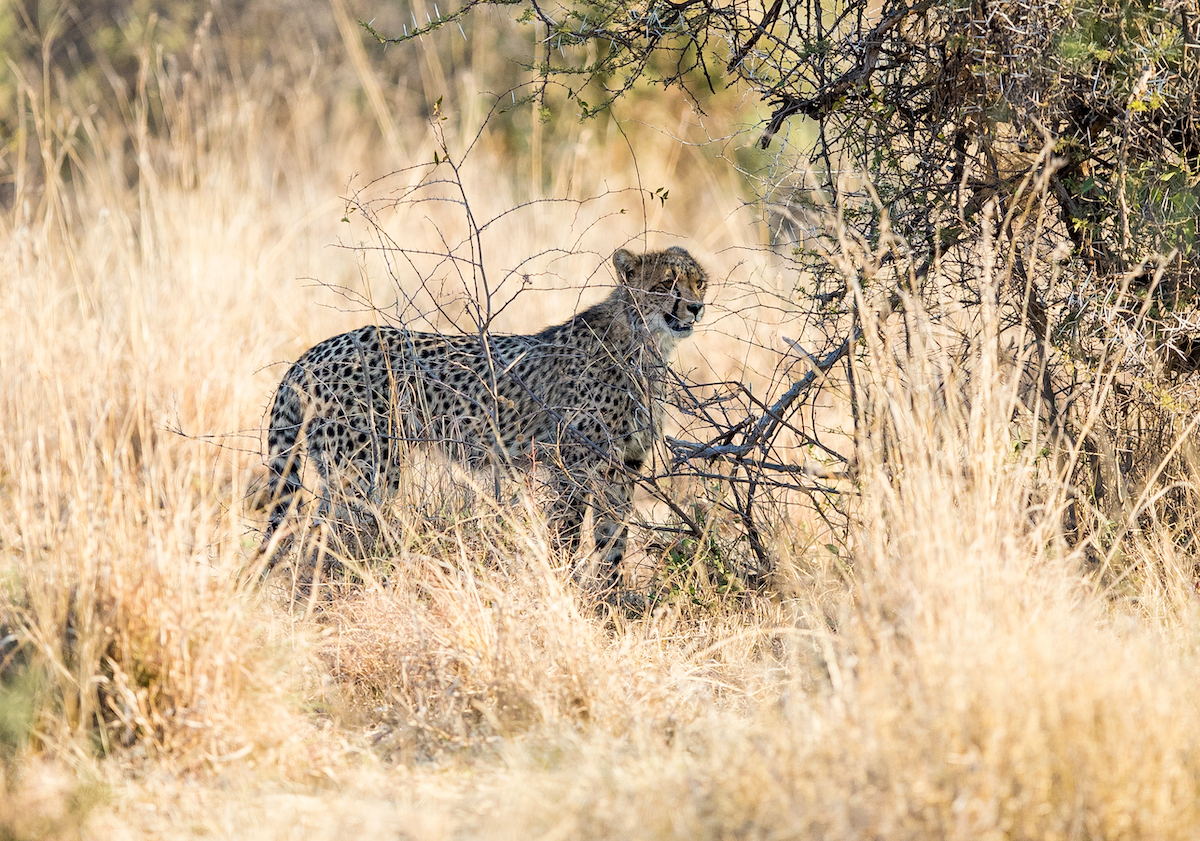
In addition to the Big 5, Black Rhino is also a sanctuary for other sought-after species including cheetah, wild dog, shy brown hyena, ostrich, eland and giraffe. Unusually, spotted hyena are rarely seen. Small predators include African wild cat, serval, civet, jackal and genet. Around water, look out for hippo and crocodile.
Pangolin, aardvark and aardwolf have also all been recorded in the area. In all, 50 mammal species are present in Black Rhino.
Birding in Black Rhino
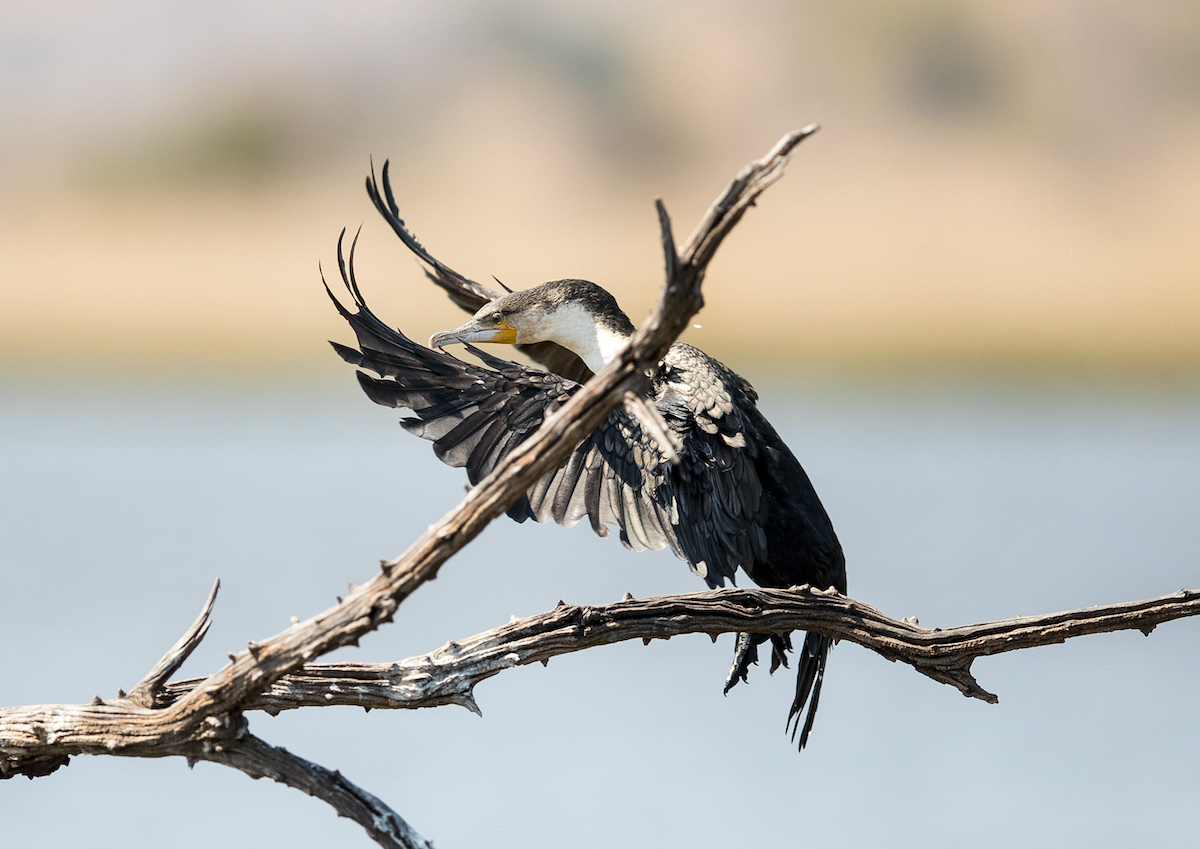
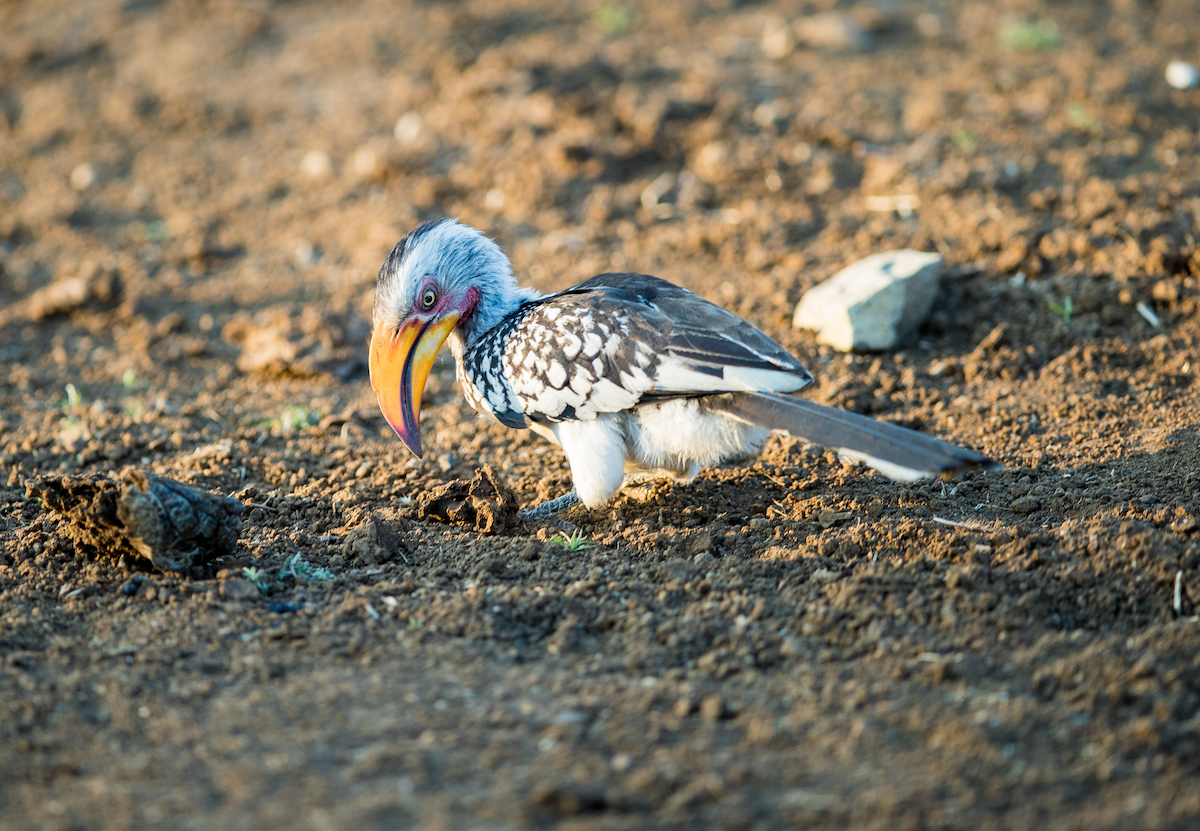
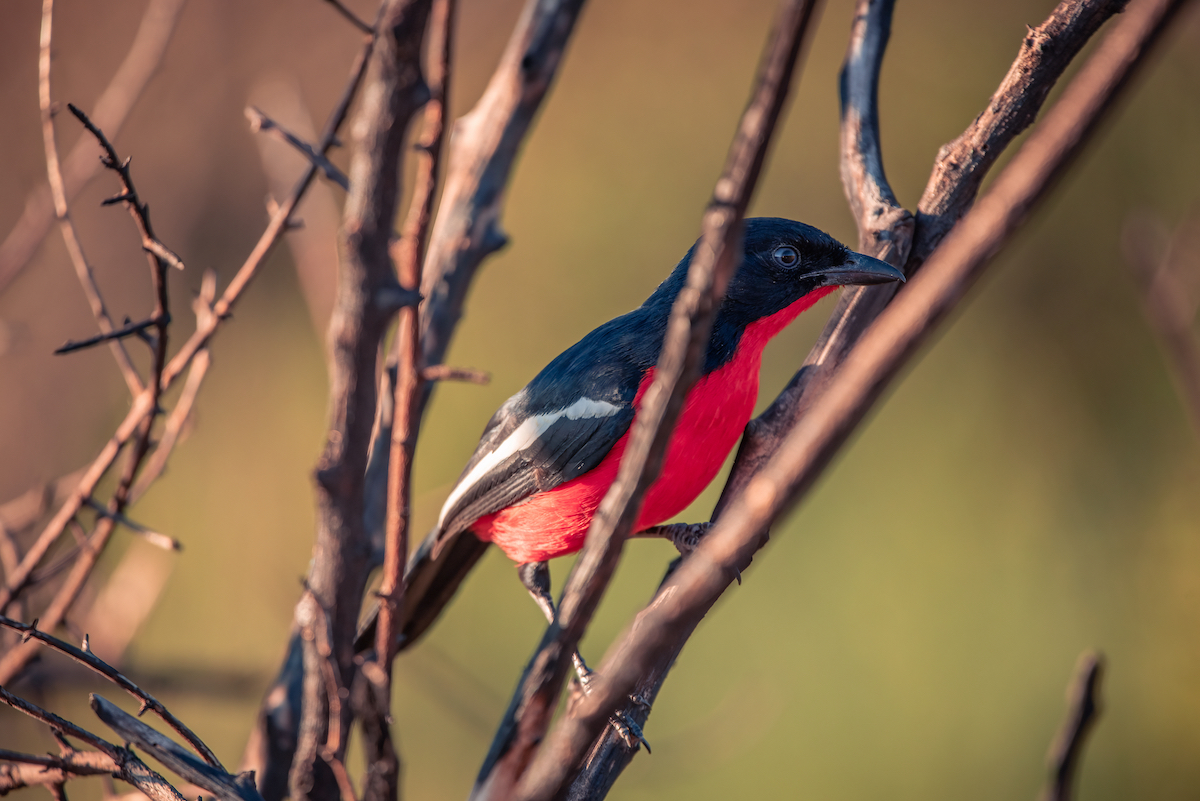
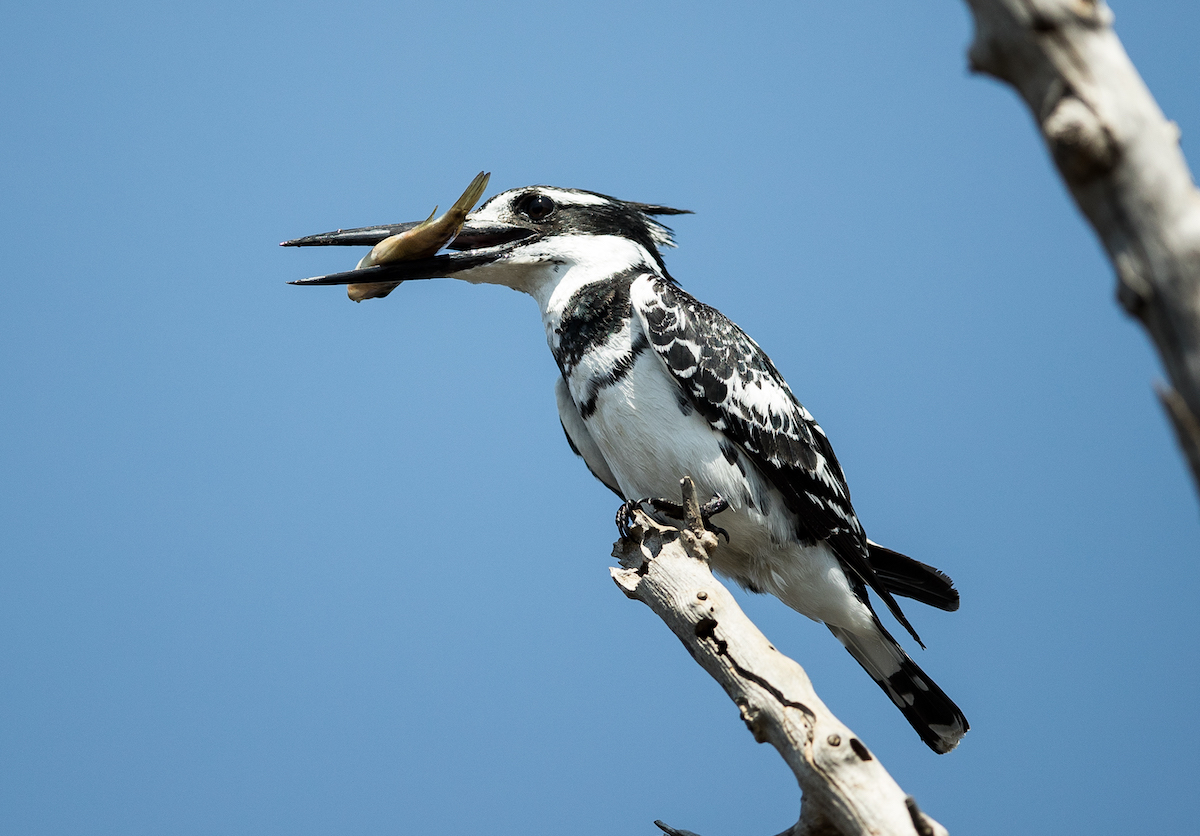
If you’re an avid birder, be sure to bring your binoculars. Around 345 species have been recorded including various kingfishers, babblers, rollers and raptors. Notables include martial eagles, greater flamingos, kori bustards and fish eagles. Pilanesberg National Park has several hides for those keen on snapping a pied kingfisher or a lilac-breasted roller.
Seasonality